Compartés
How artisan chocolate became a popular Mother’s Day gift
Few gifts carry as much pressure as the ones given to a mother. They are expected to say something true about how well you know her, how much you value what she has given, and whether you thought carefully enough to get it right.
That standard has pushed a growing number of consumers toward gifts of artisan chocolate. Here, Los Angeles-based artisan chocolatier Compartés takes a look at the new generation of small-batch chocolatiers across the country who approach their craft with the rigor of fine dining and a designer’s eye for presentation.
Mother’s Day: A Major Gift-Giving Moment
Mother’s Day stands among the most significant retail moments on the American calendar, blending cultural tradition with substantial consumer spending.
Data from the National Retail Federation shows that U.S. consumers spent about $34.1 billion celebrating the holiday in 2025, with roughly 84% of adults participating and average spending reaching about $259 per person.
Katherine Cullen, NRF VP of Industry and Consumer Insights, explained the scale simply, noting that “Mother’s Day is an important holiday for many consumers, only surpassed by the winter holidays in terms of average spending.”
Much of that spending still flows into familiar expressions of appreciation. Flowers, greeting cards, jewelry, and celebratory outings such as brunch or dinner continue to anchor the holiday. Yet shopper priorities are shifting toward gifts that feel more personal and memorable.
Nearly half of consumers now say finding something unique matters most, according to NRF research. That growing interest in thoughtful gifting is drawing attention toward premium consumables, including gourmet chocolate, a category that has begun to evolve far beyond the traditional box of sweets.
The Rise of Artisan Chocolate
According to market research from Grand View Research, the global premium chocolate market is expected to grow steadily over the next decade as consumers increasingly seek higher-quality ingredients and small-batch production.
Premium chocolate’s transformation into a craft category has been gradual but unmistakable, shaped by a broader cultural shift toward ingredient transparency and food provenance.
Many artisan chocolatiers now work through small-batch production, which allows careful control over roasting, refining, and tempering. The process often begins with cacao sourced from distinct growing regions, where soil, climate, and fermentation influence flavor in ways that parallel how terroir shapes wine.
That focus on origin naturally leads to a renewed emphasis on technique. Traditional practices such as manual tempering and hand-finishing require close oversight and patience, reflecting a production model built around skill rather than industrial speed. As artisan chocolatier Adrian P. Younes put it, “artisan chocolate is crafted, not manufactured.”
Flavor Innovation and Culinary Creativity
Drawing on global ingredients and culinary traditions, a growing number of chocolatiers are producing chocolate bars that feel less like confections and more like a chef’s tasting menu rendered in cacao. Matcha ganache, yuzu-infused dark chocolate, pistachio knafeh fillings, and smoked sea salt caramels have moved from novelty to expectation among premium buyers.
Melissa Abbott, vice president of syndicated studies at The Hartman Group, describes the broader shift as a “foodie revolution.” Consumers, she notes, are increasingly exposed to diverse ingredients and cooking traditions through media and travel, and they are bringing those expectations directly to what they eat. For chocolatiers, that appetite has become an opening.
A chocolate bar built around a specific cultural dessert or a rare botanical ingredient carries a story, and a story, for a gift-giver, is worth far more than a familiar flavor. That storytelling quality is what separates a deliberate purchase from a last-minute one and leads naturally to how these chocolates are packaged and presented.
Packaging as Part of the Gift
Presentation has long shaped how a gift is experienced, and many chocolatiers now approach their boxes and wrappers with the same creative intention they bring to flavor.
Renowned chocolatier Jacques Torres has addressed that shift directly. “If you’re going to give a gift to someone, you’re going to wrap it; you want to make it look beautiful. If you buy a special box of chocolate for someone, you want that box to wow them from outside to inside.”
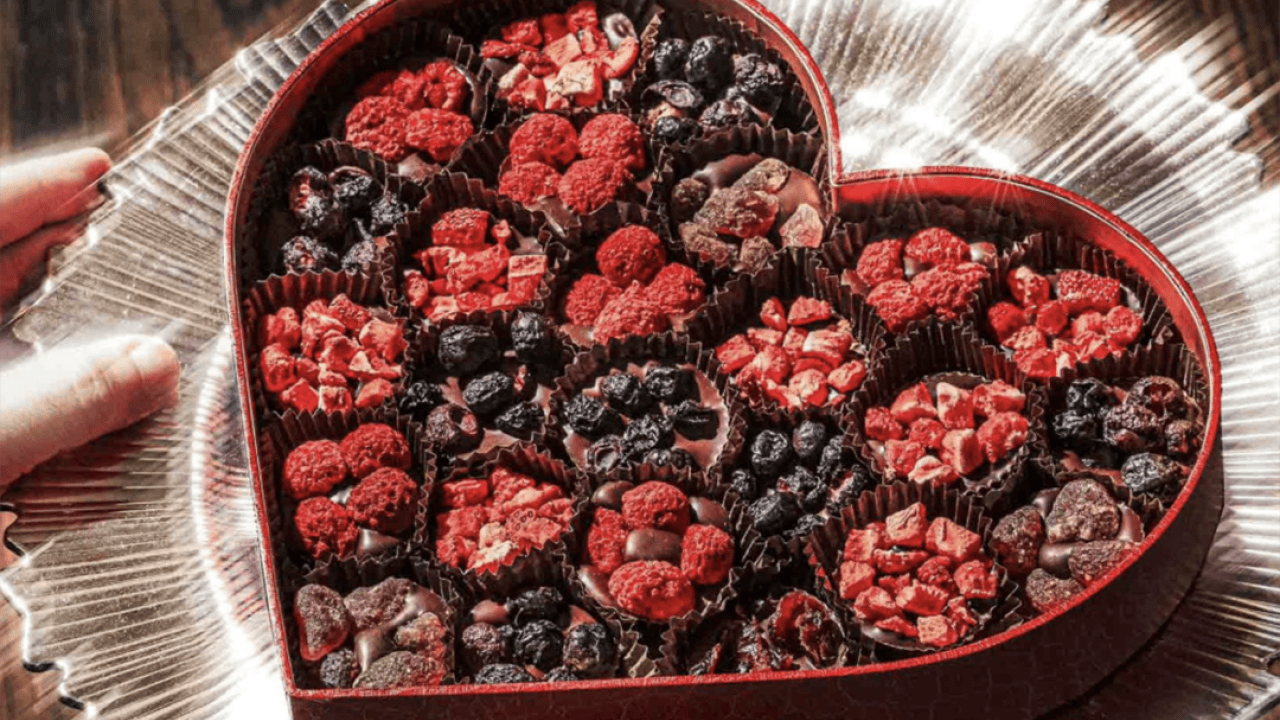
That sensibility is visible across the artisan category, where gift-ready boxes, collectible designs, and hand-illustrated wrappers have turned chocolate into something as visually striking as it is delicious.
This fusion of visual design and culinary craft is a significant part of why artisan chocolate has found such a receptive audience among gift-givers right now. Benjamin Turner, a chocolatier at Compartés, notes that the process is deeply intentional. “Artisan chocolate is about slowing down and savoring the details,” Turner says.
Why Chocolate Fits the Moment
Part of what makes artisan chocolate so well suited to gift-giving is how naturally it occupies the space between special and approachable. A beautifully crafted truffle box or a hand-illustrated chocolate bar carries the weight of a thoughtful gesture without the intimidating price point of jewelry or luxury fashion.
That balance is meaningful, particularly for Mother’s Day, where the desire to express genuine appreciation often outpaces what any single gift can say. Chocolate also travels well across relationships. It can be shared at a table, savored privately, or passed between people as a small act of celebration.
Food anthropologist Dr. Amy Trubek has observed that offering something sweet has historically been “less about the monetary value and more about the gesture of sweetness itself.” That instinct is alive in how consumers are shopping now, gravitating toward gifts that feel personal and thoughtful without requiring the recipient to do anything except enjoy them.
The Future of Food-Based Gifting
With the global food gifting market projected to surpass $44 billion by 2029, the act of giving food has taken on new cultural relevance. Research from industry analysts highlights artisanal and premium confectionery as a primary driver of that growth, shaped by consumers who now measure a gift’s value by the care behind it as much as the cost.
Mother’s Day has become one of the clearest expressions of that evolution. As shoppers move away from obligation-driven purchases toward gifts that feel personal and worth remembering, artisan chocolate has secured a lasting position within a larger movement toward thoughtful, experience-driven giving.
What chocolatiers have built, through small-batch production, design-forward packaging, and flavors rooted in culinary creativity, is a category of artisan chocolate gifts that meets modern gift-givers exactly where they are: looking for something thoughtful, personal, and memorable.
This story was produced by Compartés and reviewed and distributed by Stacker.