chaylek // Shutterstock
How real estate investors are using property data to find deals before they hit the market
Although the median sales price of a U.S. single-family home has continued to slide since its peak in late 2022, real estate investors are still contending with a seller’s market in many parts of the U.S.
In a competitive environment, the most successful investors are, more often than not, able to identify favorable properties before sellers actually list them on the market. Making a pre-market offer on a house carries some risk for buyers, but accurate property data search tools can provide crucial context to help you make an informed—and early—decision.
Keep reading for a list of data points that may prove helpful if you’re looking for a property to add to your investment portfolio.
PropertyReach used data from ATTOM and the Federal Reserve Bank of St. Louis to create this article.
Why Would You Want to Make an Offer Before a House Goes on the Market?
The primary reason real estate investors work so hard to identify pre-market listings is to buy them at a lower price. If the seller doesn’t list the home on the broader market, potential buyers are much less likely to become entangled in a bidding war.
That premise begs the question: Why would a seller accept a lower offer for their property?
One reason is that some sellers value transaction efficiency over wringing every last dollar out of the buyer. They might want to sell quickly or with as few contingencies as possible. Additionally, listing your house often requires staging it, taking pictures, and completing a slew of legal disclosures. Plenty of homeowners don’t want those hassles.
7 Data Points Real Estate Investors Use to Identify Hot Properties
As you do your research, take the following data points with a grain of salt and consider them against the total ownership situation. One or two favorable conditions might not indicate a homeowner is about to list their property, but multiple ones could lead to a lucrative deal.
1. Length of Ownership (Years Owned)
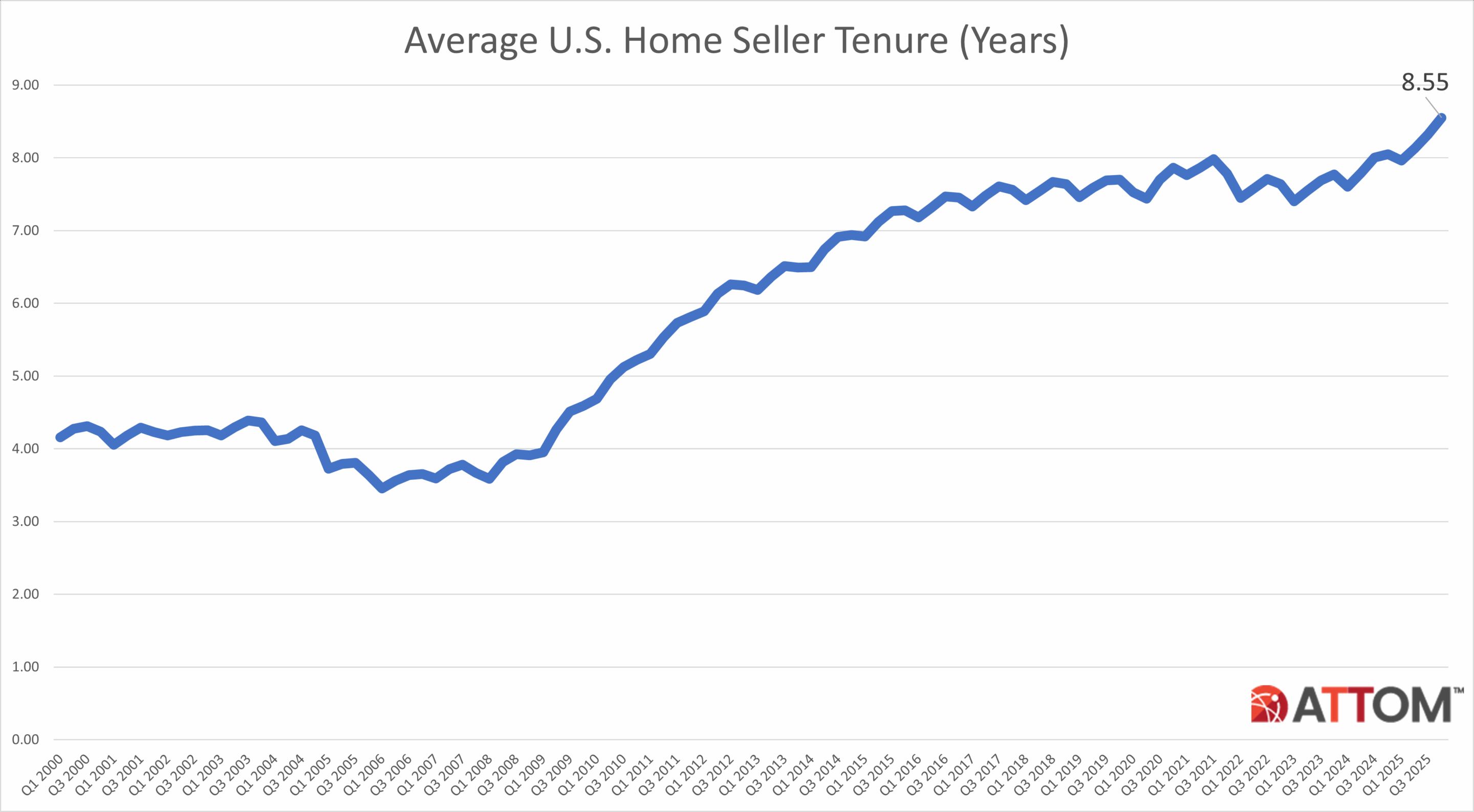
Perhaps the simplest and most straightforward data point real estate investors use to identify pre-market properties is the number of years the current owner has owned it. The longer a house or condo is owned by a particular owner, the more likely a sale becomes.
Although this data point is still reliable, data from ATTOM shows the average length of homeownership for sellers is higher than it’s ever been. It’s therefore prudent to look at other property data points in your quest to find off-market steals.
2. Tax Liens
Having a clean record of paying property tax obligations is a sign that the homeowner is not in significant financial distress. Conversely, those who fall behind on their property taxes might not have the financial means to continue their mortgage payments, which could result in them losing the property.
Savvy real estate investors are often on the lookout for recently filed municipal tax liens, along with the total amount owed in property taxes. Many homeowners in that position sell before foreclosure happens.
3. Owner’s Mailing Address
An investor is sure to become interested in a property that differs from the owner’s actual mailing address. In these circumstances, the owner is a remote operator of sorts. They could be renting out the property or have just become owners due to a death in the family.
No matter the reason, a remote or absentee owner is not as emotionally invested in the property and, therefore, may be willing to sell. An absentee owner who’s managed a rental property for a long time might be looking to get out of the landlord game due to rising overhead costs.
4. Building or Renovation Permits
Fixing up the property before listing it on the market is a common strategy for homeowners looking to maximize profits. They might have found a good deal on the job or know someone who was willing to work for a discount. Investors typically look for municipal and county-level construction permits when identifying pre-market homes, as these can indicate a little “sprucing up” before hitting the market.
5. Probate Filings
Houses are the most significant assets that many people leave behind after they pass away. Heirs and beneficiaries may not intend to keep owning homes they receive through inheritances—especially if there are multiple new owners.
In these situations, real estate investors may strike gold with beneficiaries who want to sell quickly and efficiently. It’s smart to strike the right tone with the initial contact, as grieving families are hardly ever in the mood for hard sells. Exercise caution after you’ve found a property entered into an estate filing.
6. Lis Pendens
“Lis pendens” is Latin for “lawsuit pending.” It’s not a good sign for the current homeowner, as it usually indicates they are unable to make their mortgage payments. A lis pendens notice is far from a guarantee that the mortgage lender will take ownership of the property and put it up for sale, but it’s certainly a situation worth monitoring for real estate investors.
Lenders may also issue a lis pendens notice if there is another type of dispute related to the property’s ownership. Marital homes may have a lis pendens issued on them if they’re involved in a dissolution of marriage (divorce) or if there’s a disputed inheritance.
7. Refinancing Actions—More Specifically, the Lack Thereof
Why would a homeowner not refinance their property when interest rates dip low enough?
In many cases, it indicates that they may not be occupants for much longer. Borrowers typically refinance to take advantage of long-term savings, as closing costs can render immediate returns moot. Homeowners who are about to list their house on the market or who are very close to paying off the loan might not want to deal with the hassle of switching lenders.
Leverage Up-to-Date Property Data for Your Next Transaction
As more data becomes publicly available—and easily retrievable—it’s worthwhile to double-check the accuracy of the information you find. The more accurate information you have about a home, the better informed your pre-market offer will be. After all, successful investments are not possible without exhaustive research.
This story was produced by PropertyReach and reviewed and distributed by Stacker.